technology changes how we see and use the world. ar and vr are popular. people use them in games, schools, shopping, hospitals. they make digital things feel real and easy to enjoy. many people hear about ar and vr but do not clearly know the difference. both change how we look at things in different ways
1. What Is Augmented Reality (AR)
Augmented Reality overlays virtual components onto the physical world. It does not replace reality. It enhances what you already can see. AR is when you hold up your phone camera and see filters on your face. It fuses physical and digital material into a single experience.
2. What Is Virtual Reality (VR)
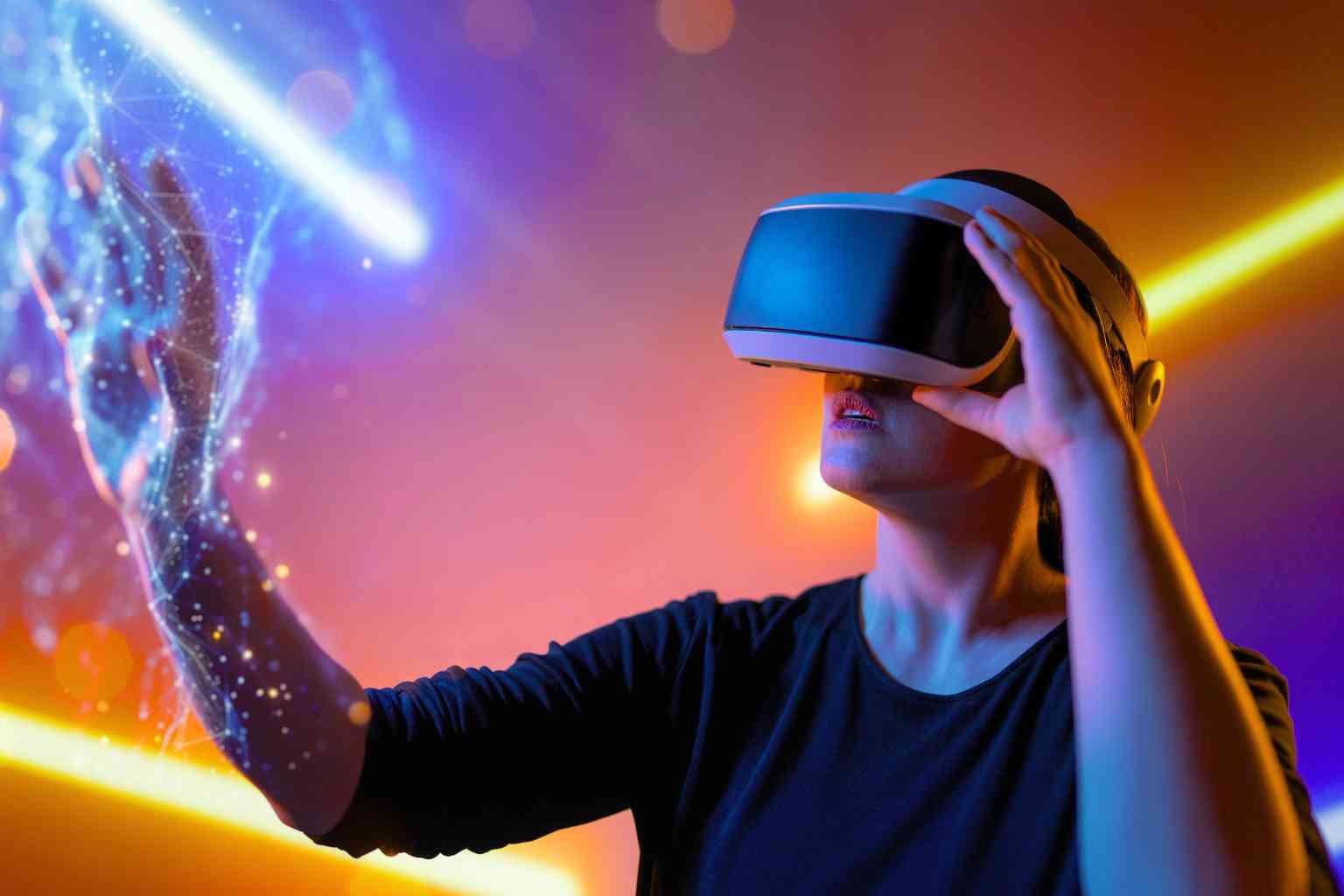
Virtual Reality is an entirely virtualized environment. It obstructs the real world and immerses you in a virtual environment. VR requires a headset in order to participate. It is mainly used for gaming applications and training simulations, where users feel they are inside another world.
3. Arbitrary and VR: The Primary Difference
AR and VR work in different ways. ar adds digital layers to reality. vr replaces reality with a virtual world. ar runs on smartphones. vr requires special devices. both give immersive experiences through different methods
4. How AR Works in Daily Life
AR is already ingrained in the quotidian. And its applications range from mobile apps and shopping platforms to social media filters. So for instance, you can try on sunglasses or furniture before purchasing. To help users make sound choices.
5. The Use of VR in Various Domains
Various industries use VR for training and entertainment. Data is used to create real like simulations which allow the users to practice in a safe environment.
6. Popular Uses of AR and VR
These technologies are used for a vast variety of purposes:
- Gaming and entertainment
- Online shopping experiences
- Education and learning
- Medical training
- Real estate virtual tours
These applications demonstrate how AR and VR are becoming integrated into everyday life.
7. Advantages of AR and VR
There are a lot of benefits to both AR and VR:
- Better user experience
- Interactive learning
- Improved decision making
- Safe training environment
These benefits make them valuable across multiple sectors.
8. Devices Used for AR and VR
AR is compatible with smartphones, tablets, and smart glasses. VR hardware includes headsets and controllers for immersion. Such devices enhance the user’s experiencing of virtual worlds.
9. Challenges of AR and VR
In spite of their latter benefits, these technologies come with certain challenges:
- High cost of VR devices
- Limited content in some areas
- Requirements of good internet and system requirements
- Health concerns like eye strain
While these problems are gradually getting better, new innovations come out.
10. Future of AR and VR
The prospects of AR and VR seem to be really promising. These technologies will be lower-cost and more ubiquituous. In a few years, they could be integrated into everyday activities in education, work and entertainment.
Key Takeaways
AR and VR are empowering technologies that transform the way we engage with digital content. AR overlays on the real world and VR builds a new virtual world. Both are burgeoning, and both will shape technology’s future.
FAQs:
Q1. The Difference Between Augmented Reality and Virtual Reality?
AR overlays digital content over real world whereas VR creates a complete virtual environment.
Q2. What do I need for AR, special devices?
No, AR can run on smartphones and tablets.
Q3. Is VR safe to use?
Yes, but extended use can lead to eye strain, so breaks are key.
Q4. Where is AR used the most?
AR is popular in mobile applications, shopping and social media.
Q5. What is the future of AR and VR?
And they will spread in daily life and a good number of industries: