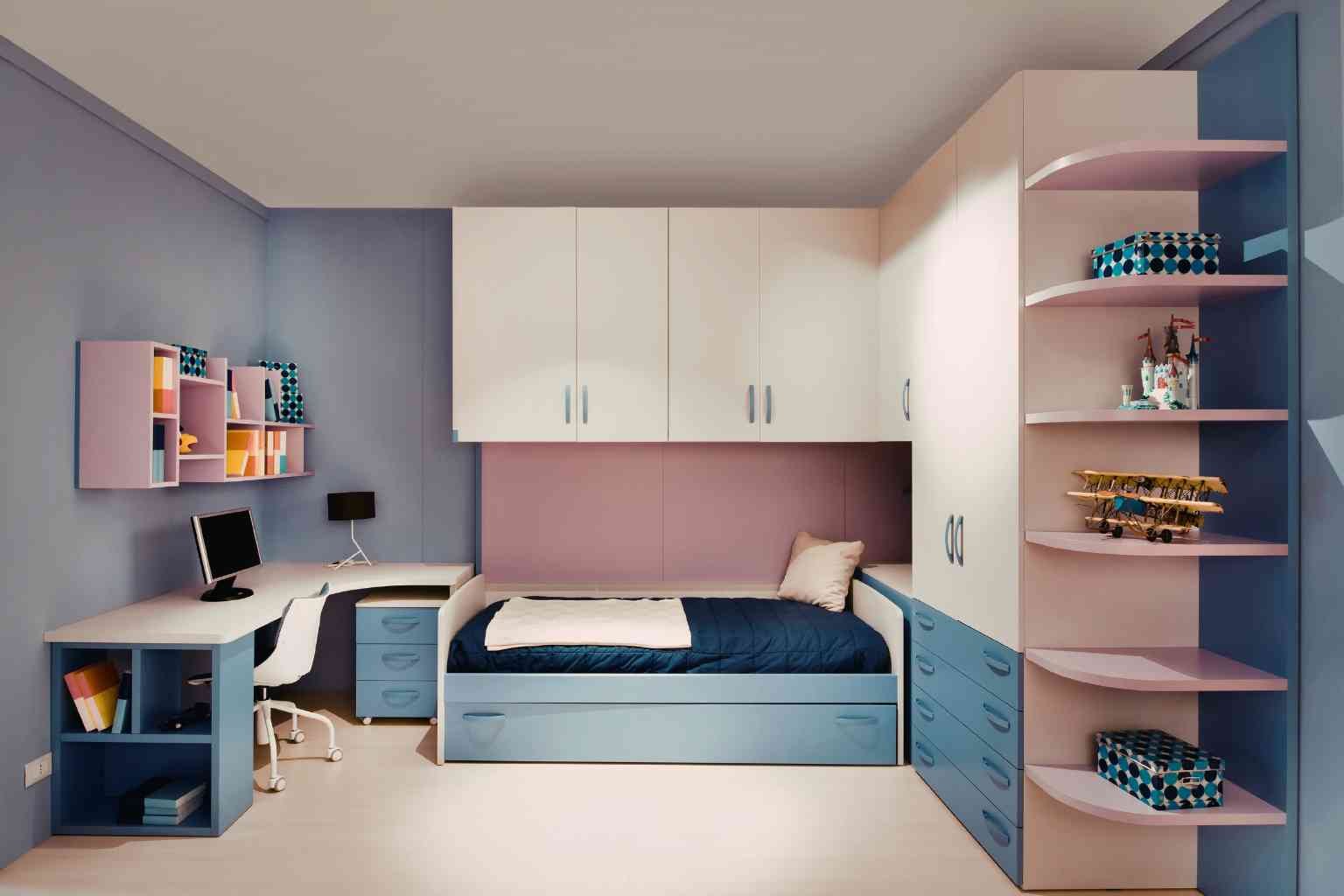
A minimalist lifestyle means having just the things you genuinely require and cherish. For most, you do not have nothing, but you pick what is worthwhile in your life. Clutter, busy schedules and unnecessary spending make people feel stressed today. Minimalism can help you have a simpler life, save money and be at peace. It helps you reflect on happiness and comfort versus material possessions.
1. What Is a Minimalist Lifestyle
Minimalism is a lifestyle which involves decluttering and only keeping things that are useful or of value to you. It also means clearing mental clutter and embracing a simple way of living. They do their best to refrain from mindless shopping and distractions.
2. Why Minimalism Is Becoming Popular
You see, people are opting for minimalism nowadays because our life is getting fast and stressful. We have too many inputs, things to process, and time gets wasted. Our lifestyle is very simple and it helps in keeping us calm and organised. Modern knowledge and social media also contributed towards minimalism becoming more popular.
3. Benefits of a Minimalist Lifestyle
Minimalism has many benefits that enhance everyday life:
- Reduces stress and mental pressure
- Avoiding unnecessary purchases and saving money
- Makes home clean and organised
- Saves time in daily tasks
- Improves focus and productivity
These are just a few of the many benefits that make minimalism sound like a good idea for most people.
4. Helps You Save Money
Not buying things you do not need makes you save more. One of the principles behind minimalism is wise spending. The focus is now on quality rather than quantity, cutting down waste too.
5. Creates a Peaceful Environment
A clutter-free and simple home is soothing to the nerves. Less clutter means less distraction. It makes you calmer and enhances your mood.
6. Improves Mental Health
Minimalism is not only about physical space. It also helps in reducing mental stress. When your surroundings are simple, your mind feels light and free. This can improve your overall mental well being.
7. How to Begin a Minimalist Lifestyle
Begin minimalism with baby steps:
- Remove items you do not use
- Organise your home space
- Stop impulse buying
- You have data upto October 2023
- Create simple daily routines
It is a simple but effective way to make the process easy.
8. Minimalism in Daily Life
Minimalism can be applied in various spheres of life. Create a capsule wardrobe, clean your ‘office space’ and create time blocks. Even some tech can be simplified: cut out needless apps and notifications.
9. Common Mistakes to Avoid
When people begin with minimalism, they tend to make certain mistakes:
- Throwing away useful items
- Tried to do all the things at once
- Chasing trends rather than personal wants
- Expecting quick results
Avoid these mistakes, and you’ll stay consistent.
10. Long Term Benefits of Minimalism
The minimalism creates a more positive longer term impact on savings, health and peaceful living. It keeps your attention on the important things in life, like relationships, health and expansion of personal consciousness.
Key Takeaways
Minimalist lifestyle is living a simple, stress free and meaningful life. Decluttering your surroundings (both mentally and physically), ridding yourself of things that don’t serve a purpose will benefit you greatly.
FAQs:
Q1. How do you explain minimalism in simple words?
It means fewer possessions and a life oriented around values.
Q2. Is minimalism linked to better mental health?
Of course, it eases pressure and maintains a tranquil place.
Q3. What is the best way to begin minimalism?
Begin with decluttering unused things and refrain from shopping unnecessarily.
Q4. Does minimalism help save money?
Sure, it cuts down on expenditures for the unwanted stuff.
Q5. So minimalist lifestyle is not just for everyone.
Yes, anyone can take it according to their need and comfort.