The way a space feels changes dramatically from good lighting. It has the power to transform your mood, enhance comfort, and even help you remain vigorous throughout the day. The lighting in many homes is too bright or dark, causing unwanted eye stress. With a few minor adjustments, you can make your home lighting better suited to everyday life and more relaxing.
1. Learn the Fundamentals of Great Lighting
Some knowledge about the basic types of lighting would be helpful in improving it. Ambient lighting gives overall brightness. Task lighting aids in particular tasks like reading or cooking. Accent lighting emphasizes décor or special areas. When used together, all three make a home feel balanced and comfortable.
2. Use Natural Light as Much as Possible
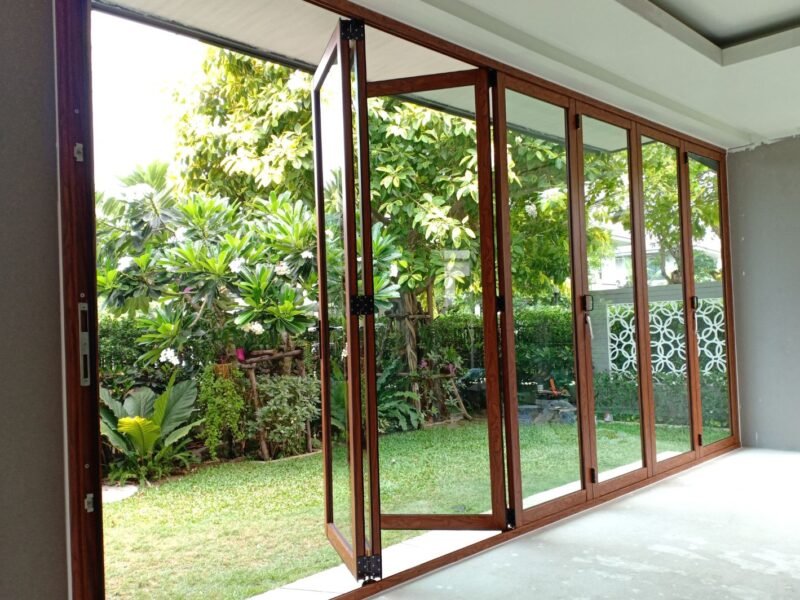
The best light source is natural light. During the day, open your windows to allow sunlight into your home. It provides the look of fresh rooms and minimizes the need for artificial lights. Tune windows and light curtains to let more sunshine into the inside.
3. Choose the Right Bulb Type
Not all bulbs produce the same kind of light. Warm light gives a cosy, relaxing atmosphere while cool light is better for work areas. LED bulbs are a better option for their energy-saving and long-lasting properties.
4. Layer Your Lighting Properly
Layering is using different types of lights in the same room. For example, a ceiling light offers general illumination; a table lamp can be used when reading; and a small light works for decoration. It both makes the room more functional and more stylish.
5. Benefits of Proper Home Lighting
Good lighting offers many advantages:
- Reduces eye strain
- Improves mood and comfort
- Creates an illusion of space, makes rooms appear larger and brighter
- Assists in enhanced concentration and productivity
- Enhances home décor
These advantages, however, make it an essential element of any home design.
6. Use Dimmers for Better Control
Dimmers let you adjust the brightness of lights. You also can boost light when you’re working and cut it back for lounging. This flexibility allows for improvments in comfort and energy savings.
7. Focus on Task Lighting
Task lighting is an important aspect when it comes to areas such as the kitchen, study room and bedroom. Use desk lamps for reading and under cabinet lights for cooking. Task lighting done right makes work easier and safer.
8. Avoid Common Lighting Mistakes
People make a lot of the same simple mistakes that undermine comfort:
- Limiting light sources in the room to just one
- Not placing lights where they need to be
- Selecting very bright or too dim bulbs
- Ignoring natural light
This is why Avoiding these missteps will help you improve your lighting setup.
9. Add Decorative Lighting
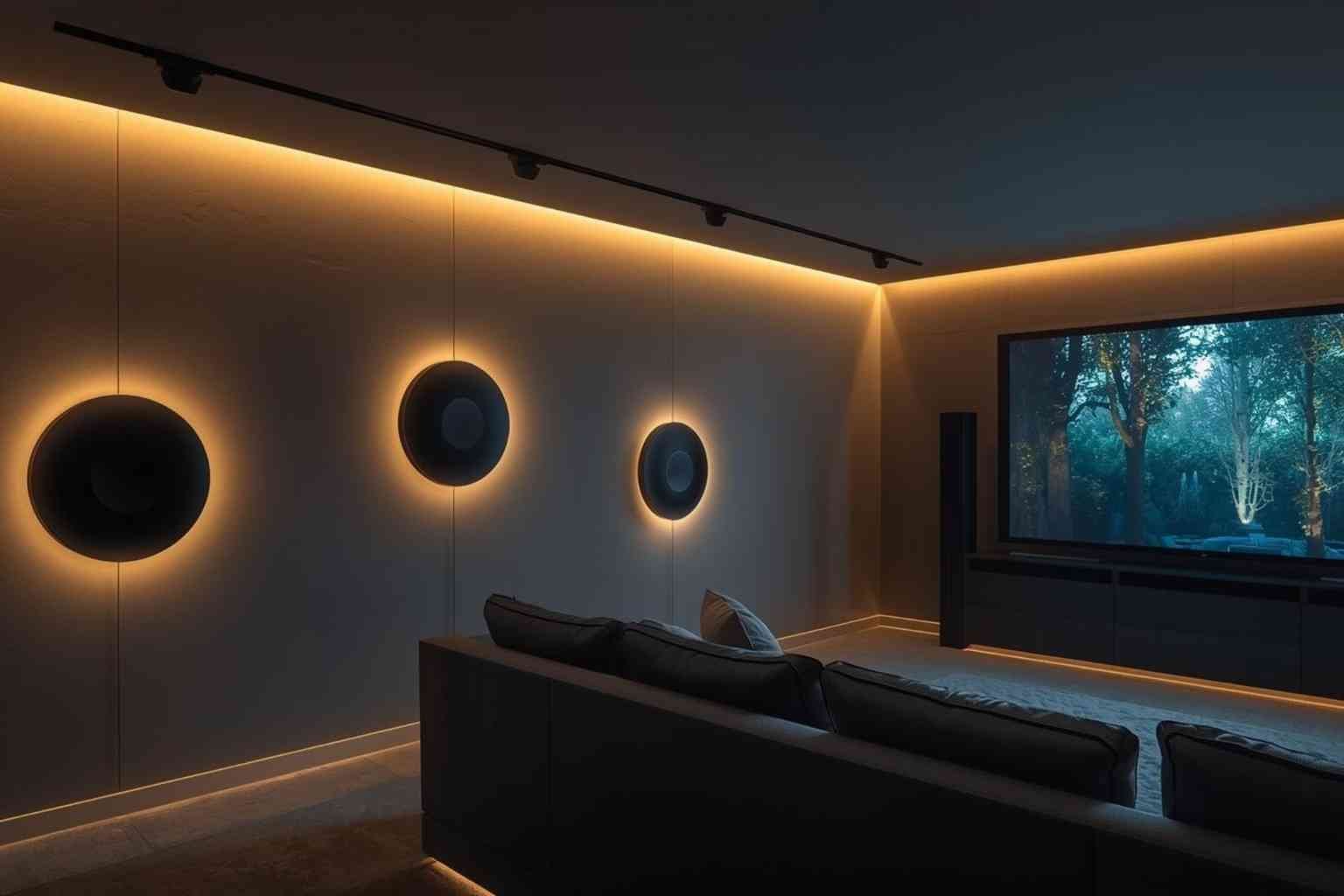
Decoration lights such as wall lamps, LED strips and hanging lights can enhance the appearance of your house. Decorating with lamps adds a modern and stylish touch as well as gentle light.
10. Future Trends in Home Lighting
Smart lighting for your home with latest technology Some smart lights are integrated with mobile apps or can be controlled by voice. They enable easy modification colours and brightness. Lighting will be personalised and energy efficiency in the coming months.
Key Takeaways
Home lighting is one of the most straightforward but highly impactful areas to make more comfortable. Use a combination of natural lighting, proper bulbs and layered lighting for balance. Little changes can make your home more livable and pleasant.
FAQs:
Q1. My home needs better lighting. What can I do to find it?
Say no to unflattering lighting, use bulbs that match the nature of the room, and include different categories of lamps.
Q2. What kind of light is comfortable?
Comfort and relaxation are best accomplished by warmer light.
Q3. Are LED lights good for use at home?
Indeed, LED lights consume less energy and have a longer lifespan.
Q4. What is layered lighting?
That means mixing ambient, task and accent all three together.
Q5. So, how do dimmers benefit lighting?
They use a slightly less plastic material, which allows you to control brightness.