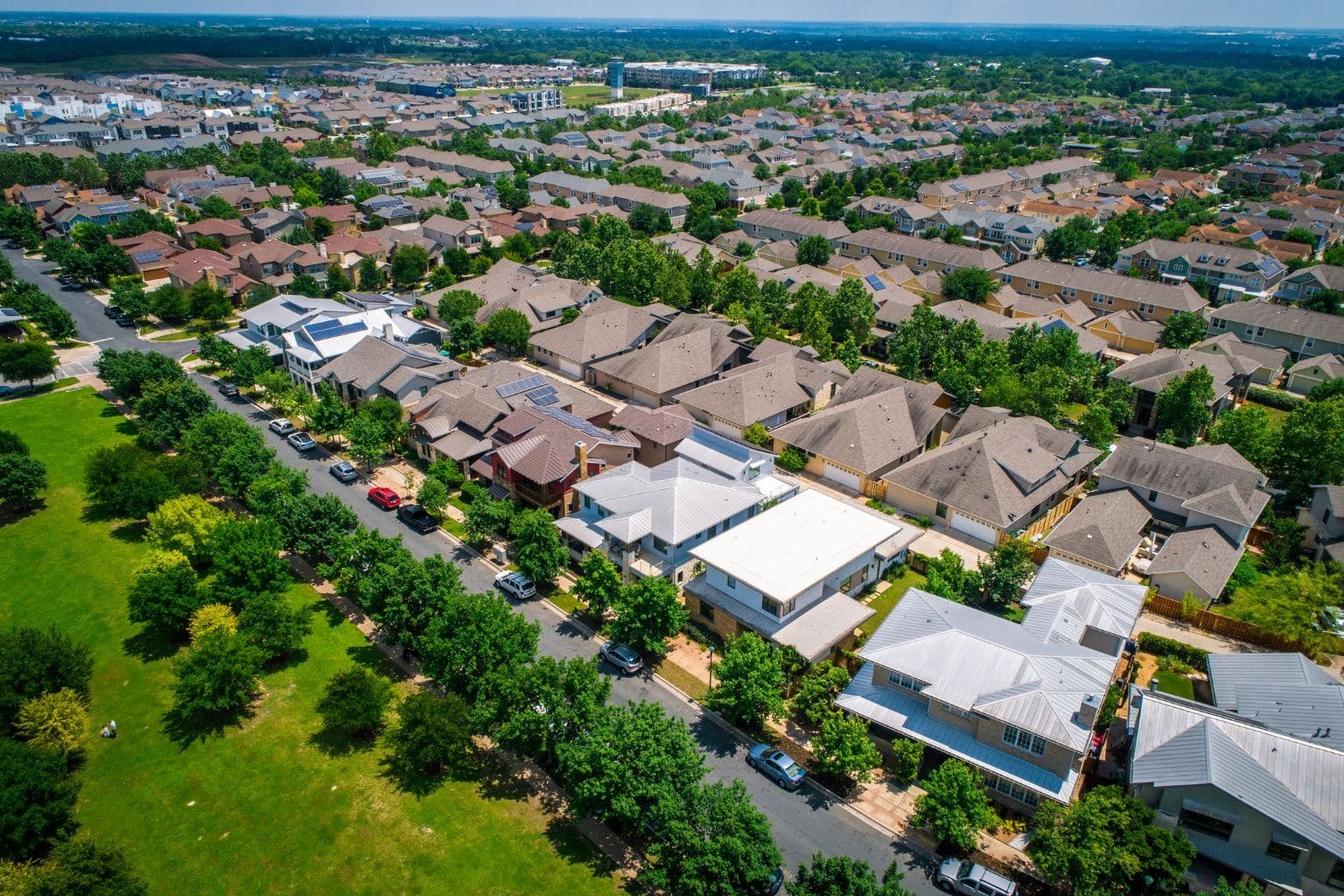
The Gap Between a Great Plan and a Great Project
This is a lesson everyone who has been in the real estate industry for an extended amount of time has to learn — an amazing blueprint is worth nothing if it’s not executed correctly. The use of execution excellence in housing projects that live up to their promise is what will make them a success over those that fall short of the mark, which will be at the expense of the developer’s resources and reputation, built up over years. Planning is the first step in starting the project. Execution determines whether it actually succeeds.
What Execution Excellence Actually Means in Real Estate
It is not just about project completion when working on a residential project execution. It involves materials sourcing, working with contractors, comparing standards throughout the construction process, complying with regulations, sticking to budgets, and liaising with the buyer — and then some, all of which are woven into one without any single strand becoming a loose end. When developers do not take execution as a discipline, they usually end up experiencing all kinds of emergencies that would not have happened if they had done it right.
Why Real Estate Project Management Defines Outcomes
Effective real estate project management forms the backbone of a complex real estate development. High-level project managers don’t simply manage time, they predict time restrictions, solve contractor issues before they get out of hand and keep costs in check without cutting corners on building quality that was promised in the sales process.
The absence of this discipline shows up predictably. The problems of delayed possession, cost overruns slipped-off to the buyer through lower specifications, and defect post-handover, which leads to legal quarrels, are almost always a reflection of poor project management and never an inherently unpredictable situation.
Housing Project Success Factors That Cannot Be Ignored
When considering their best housing project experiences, developers always refer to the same key factors. Realistic scheduling in consideration of contingencies—not the optimistic schedule that assumes everything goes smoothly. Vendor relationships based on accountability, not the lowest possible bid! Site supervision that maintains presence rather than relying entirely on contractor self-reporting. And perhaps most critically — early buyer communication when timelines shift, which preserves trust even when circumstances do not go to plan.
These housing project success factors are not complicated in theory. They are simply harder to maintain consistently under the commercial pressures that accompany large residential developments.
Quality in Construction Projects — Where Compromises Become Costly
Quality in construction projects is one area where short-term savings reliably create long-term expenses. Substandard waterproofing, inadequate structural steel, and rushed finishing work all pass initial inspection but surface within years of handover — sometimes months. Developers who prioritise quality in construction projects throughout every stage rather than only during final inspections build a product that generates referrals, reduces post-handover liability, and supports premium pricing on future launches.
The Buyer’s Perspective on Execution
Today’s homeowners are less patient and more intelligent than ever. They research developers, read reviews, and compare delivery track records before signing agreements. A developer’s reputation for execution excellence in housing projects has become a genuine competitive differentiator — not just an operational virtue.
Final Thoughts
Finally, but just as importantly, successful residential project execution requires procedures, responsibility, and a refusal to settle on the standards that decide a housing project’s success or failure.